

Introduction
Life in 2026 feels fast. Phones buzz all day. Work follows us home. Many people feel tired and stressed, even when they are not working. According to global wellness reports in 2026, more families are looking for simple ways to relax at home without spending too much money.
One powerful solution is building a Zuhagarten.
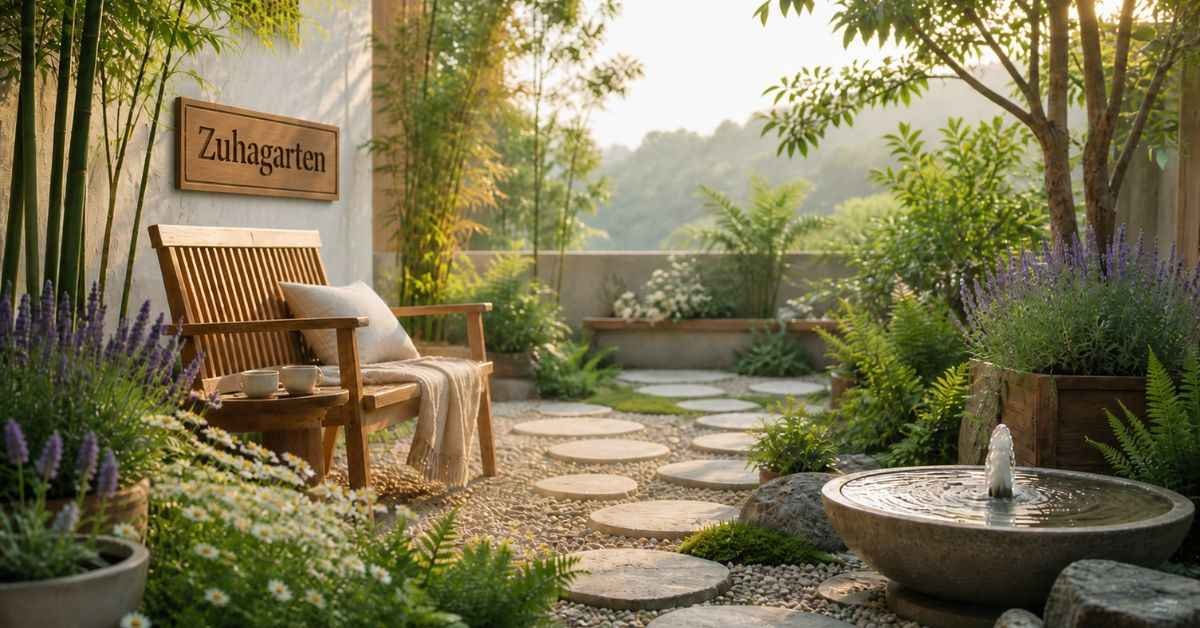
A Zuhagarten is more than just a garden. It is a peaceful, eco-friendly space made to help you feel calm, balanced, and connected to nature. It blends the idea of a traditional garden with modern sustainable living. It is a place where you can slow down, breathe deeply, and take a break from screens and noise.
In this guide, you will learn what a Zuhagarten is, why it matters in 2026, and how you can create one step by step even in a small space.
What is a Zuhagarten?
A Zuhagarten means “garden of peace.” It combines natural beauty with calm living. The goal is not just to grow plants. The goal is to create a space that helps your mind and body relax. Unlike a regular garden that may focus only on flowers or decoration, a Zuhagarten focuses on:
- Reducing stress
- Supporting nature
- Encouraging quiet time
- Using eco-friendly materials
It is designed with purpose. Every plant, seat, and stone has a reason. The space should feel open, simple, and welcoming. In 2026, this idea fits perfectly with the growing trend of slow living and sustainable homes. People want less clutter and more meaning in their spaces.
Why Peaceful Gardens Matter in 2026
Modern life is louder than ever. Studies from global health organizations in 2026 show that spending time in green spaces can lower stress and improve focus. It makes a difference, even 20 minutes outside.
A calm outdoor space can help you:
- Feel less anxious
- Sleep better
- Focus more clearly
- Spend less time on devices
When you step into a Zuhagarten, your body reacts to nature. Your breathing slows down. Your heart rate becomes steady. Reset your mood with natural light and fresh air. Instead of traveling far to relax, you can create peace right outside your door.
The Main Benefits of a Zuhagarten
A well-designed Zuhagarten supports both mental and physical health. Here are some key benefits supported by environmental research in 2026.
| Benefit | How It Helps You |
| Lower Stress | Nature reduces stress hormones |
| Better Sleep | Fresh air and sunlight balance body rhythms |
| Improved Focus | Green spaces help restore attention |
| Light Exercise | Gardening keeps you active |
| Emotional Balance | Quiet time improves mood |
These benefits are simple but powerful. When you spend time in nature every day, small improvements add up.
Key Design Principles for a Calm Space
Creating a peaceful garden does not mean filling it with decorations. In fact, less is often better.
- First, keep the design simple. Choose soft colors like green, white, or light purple. Avoid too many bright objects.
- Second, use natural materials. Wood, stone, and clay feel warm and grounding. Try to avoid plastic when possible.
- Third, create a quiet seating area. A wooden bench or small chair in a shaded corner works well.
- Finally, leave some open space. Crowded areas can feel stressful. A Zuhagarten should feel airy and easy to walk through.
When designing your layout, think about how you want to feel in the space. Calm? Focused? Inspired? Let that guide your choices.
Choosing the Right Plants
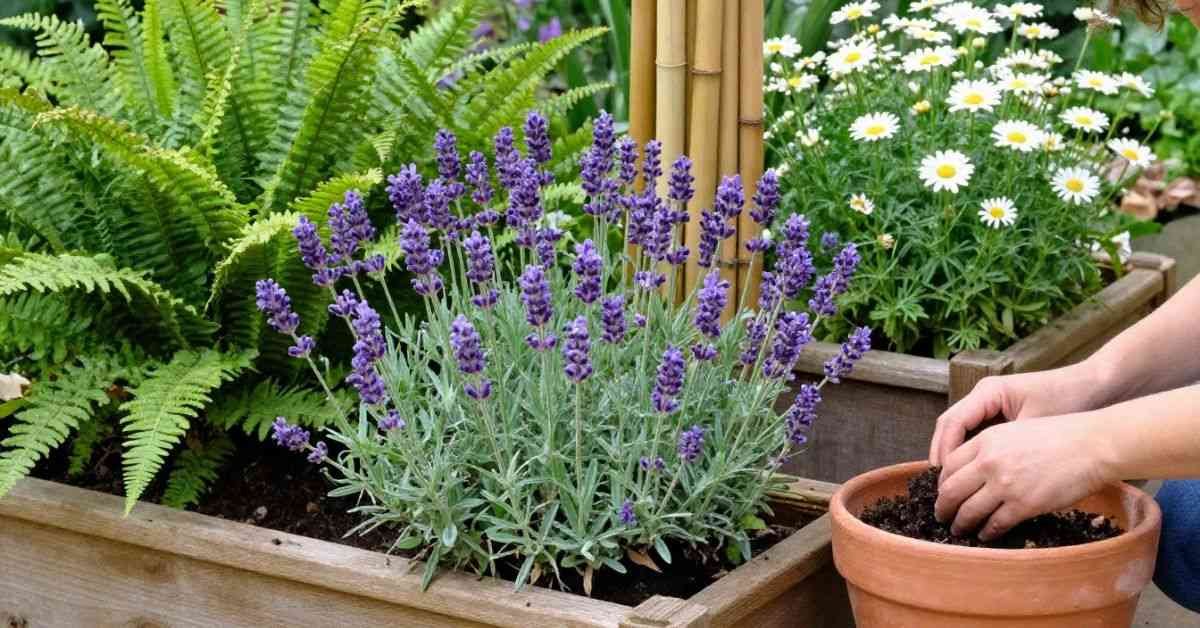
Plants are the heart of any garden. In a Zuhagarten, choose plants that are easy to care for and gentle on the senses. Lavender is popular because its scent helps people relax. Chamomile has a soft fragrance. Bamboo adds height and symbolizes strength. Ferns bring a soft texture.
Native plants are always a smart choice. They need less water and grow well in your local climate. This makes your garden more sustainable. Avoid plants that require heavy chemicals or too much watering. Eco-friendly choices protect both your peace and the planet.
Sustainable Gardening in 2026
Sustainability is very important today. A true Zuhagarten respects nature.
Simple eco-friendly ideas include:
- Collecting rainwater for plants
- Using compost instead of chemical fertilizer
- Installing solar-powered garden lights
- Choosing drought-resistant plants
In 2026, many homeowners are reducing lawn size to save water. Grass often needs more maintenance and water than native plants. Here is a simple comparison:
| Traditional Gardening | Eco-Friendly Gardening |
| Chemical fertilizers | Natural compost |
| High water use | Rainwater collection |
| Gas-powered tools | Electric or manual tools |
| Decorative focus | Nature-supporting focus |
Sustainable choices lower costs over time and protect the environment.
Creating a Zuhagarten in Small Spaces
You do not need a large backyard. It can exist on a balcony, rooftop, or small patio. Start with vertical planters. They save space and add greenery at eye level. Hanging pots also work well. Choose one small seating area. Even a simple folding chair can create a peaceful corner.
If space allows, add a small water bowl or fountain. The soft sound of water adds calmness. Keep the area uncluttered. In small spaces, too many objects can feel overwhelming. Even a tiny green space can become your personal escape from a busy life.
Daily Rituals in Your Garden
A peaceful garden becomes more powerful when you use it with intention. Try spending 10 minutes outside each morning before checking your phone. Sit quietly. Breathe slowly. You can also enjoy evening tea outdoors. Listen to birds or the wind.
Some people write in a journal in their Zuhagarten. Others stretch or practice light yoga. The key is consistency. When you return to space every day, your mind learns to relax faster. Turn your garden into a screen-free zone. This protects the calm feeling you worked hard to build.
Common Mistakes to Avoid
Many people try to do too much at once. A peaceful garden should not feel like hard work. Avoid overcrowding plants. Give them space to grow. Do not choose high-maintenance plants if you are busy. Stress about plant care can remove the joy. Avoid too many decorations. A Zuhagarten is about calm, not clutter.
Finally, do not ignore your local climate. Plants that match your weather conditions will grow better and need less care. Keep things simple. Simplicity creates peace.
Step-by-Step Plan to Build Your Zuhagarten
Creating your peaceful garden can be done in a few clear steps.
- First, decide your purpose. Do you want to relax, read, or meditate?
- Second, measure your space. Check how much sunlight it gets during the day.
- Third, sketch a simple layout. Place seating in a quiet corner.
- Fourth, choose 3–5 easy-care plants. Native plants are best.
- Fifth, add one calming feature like a small fountain or stone path.
- Finally, create a habit of spending time there daily.
Building it does not require a big budget. It requires intention and care.
Why This Concept is Growing in 2026
In 2026, people want healthier lifestyles. Eco-friendly homes and mindful living are rising trends worldwide. A Zuhagarten combines both ideas. It supports mental wellness and environmental care at the same time.
Families use these gardens to reconnect. Remote workers use them as quiet thinking spaces. Children learn about plants and nature in a safe environment. This concept is not about luxury. It is about balance. And balance is something many people need today.
FAQs
What does Zuhagarten mean?
It means “garden of peace,” a calm and eco-friendly outdoor space.
Do I need a big yard?
No. Even a small balcony can become a peaceful garden.
Is it expensive to create one?
No. Start small with simple plants and basic seating.
What plants are best for relaxation?
Lavender, chamomile, bamboo, and native plants work well.
How long does it take to build?
A small space can be ready in one weekend.
Conclusion
Life in 2026 is busy, but your home does not have to feel that way. A Zuhagarten offers a simple solution to stress and noise. It brings nature closer to your daily life. It helps you breathe, slow down, and feel balanced.
You do not need special skills. You only need a small space and a clear purpose. Start this week. Choose one corner of your home. Remove clutter. Add one plant. Place one chair. Spend five quiet minutes there. Your peaceful journey begins with one small step.