

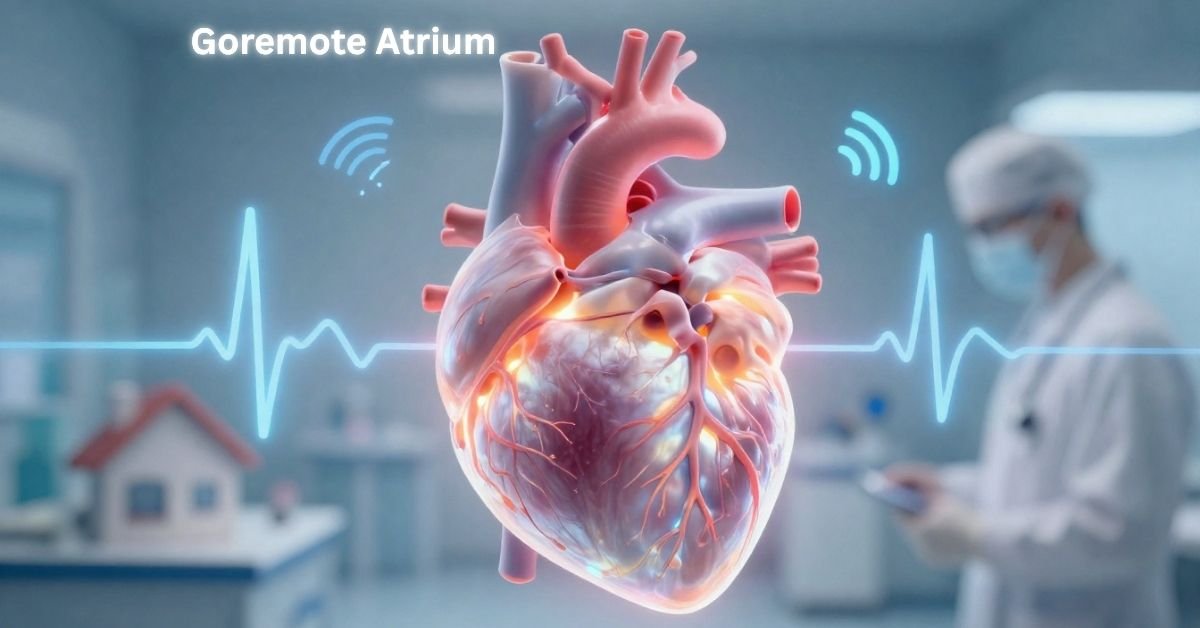
Introduction
Your heart works every second of the day, even when you are sleeping. It pumps blood, carries oxygen, and keeps your body alive. But many people do not fully understand how important the upper chambers of the heart, called the atria, really are. Recently, the term goremote atrium has started appearing online, especially in conversations about heart rhythm and remote health monitoring. This development has made many people curious and sometimes confused.
In simple terms, this topic relates to the atrium’s function and how modern technology enables doctors to monitor heart activity remotely. With smartwatches and remote ECG devices becoming common in 2026, more people are paying attention to their heart rhythm than ever before. In this article, you will learn what the atrium does, why it matters, how remote monitoring works, and what steps you can take to keep your heart healthy, all explained in clear and easy language.
What Is the Atrium in the Heart?
Your heart has four chambers:
- Two upper chambers (atria)
- Two lower chambers (ventricles)
The atria receive blood and pass it to the ventricles, which pump it to your body.
Blood from the body goes into the right atrium.
The left atrium gets blood from the lungs that are full of oxygen.
The atria also help control your heartbeat. A small group of cells in the right atrium acts like a natural pacemaker. It sends signals that keep your heart beating in a steady rhythm. When people search for goremote atrium, they are often trying to understand how atrial health connects with remote heart monitoring systems.
Why Atrial Health Is So Important
Even though the atria are small, they play a big role in keeping your blood moving properly. If the atria don’t work well, blood may not flow smoothly. Such issues can lead to:
- Irregular heartbeat
- Blood clots
- Stroke
- Heart failure
According to the American Heart Association (2026), early detection of rhythm problems can lower stroke risk by up to 40%.
That’s why doctors now focus more on early atrial monitoring. The concept behind goremote atrium is about checking atrial function using modern digital tools without always visiting a hospital.
Common Atrial Problems in 2026
Here are the most common conditions affecting the atria today:
- Atrial Fibrillation (AFib): This condition is an irregular and often fast heartbeat. It increases stroke risk.
- Atrial Flutter: A fast but more regular rhythm problem.
- Atrial Enlargement: The atrium becomes bigger, often due to high blood pressure.
Below is a simple comparison table.
Common Atrial Conditions
| Condition | What Happens | Main Risk | Is It Treatable? |
| Atrial Fibrillation | Irregular rhythm | Stroke | Yes |
| Atrial Flutter | Fast rhythm | Heart weakness | Yes |
| Atrial Enlargement | Chamber grows larger | Rhythm problems | Often manageable |
When people mention goremote atrium, they often want to know how these conditions can be detected from home.
Symptoms You Should Not Ignore
Some atrial problems have no symptoms. Others may show warning signs.
Watch for:
- Fast or uneven heartbeat
- Feeling tired easily
- Shortness of breath
- Dizziness
- Chest discomfort
If symptoms last more than a few minutes or happen often, see a doctor. Smartwatches and wearable ECG devices in 2026 can now alert users to irregular rhythms. This is another reason why searches for goremote atrium are increasing.
How Remote Heart Monitoring Works in 2026

Today, heart care is more advanced than ever. Doctors can monitor your heart while you stay at home.
Common tools include:
- Smartwatches with ECG
- Wearable heart patches
- Mobile heart apps
- AI-based rhythm analysis systems
These tools record your heartbeat and send data to your doctor. This approach reduces hospital visits and helps detect problems early. The idea behind goremote atrium is closely linked to these remote systems that focus on atrial rhythm tracking.
According to the 2026 Digital Health Report (Forbes Health), remote cardiac monitoring has increased by 60% in the last year.
Diagnosis: How Doctors Check the Atrium
Doctors use several tests to check atrial health:
- ECG (electrocardiogram)
- Echocardiogram (heart ultrasound)
- Blood tests
- Holter monitor (24-hour ECG)
Remote devices now work like mini ECG machines. They help detect irregular rhythms faster. If remote monitoring shows abnormal patterns, doctors may order more detailed testing.
This is another key reason the term goremote atrium appears in health searches; it reflects modern heart tracking methods.
Treatment Options for Atrial Problems
Treatment depends on the type of condition. Doctors may recommend:
- Medicines to control heart rate
- Blood thinners to prevent clots
- Electrical cardioversion (resetting rhythm)
- Catheter ablation (fixing faulty heart signals)
In 2026, catheter ablation success rates were above 80% for many rhythm problems (Mayo Clinic, 2026). Early treatment improves quality of life and lowers stroke risk.
Simple Ways to Protect Your Atria
Heart health starts with daily habits. Here are easy steps that make a big difference:
- Walk 30 minutes most days
- Eat more fruits and vegetables
- Reduce salt intake
- Get 7–8 hours of sleep
- Manage stress
Below is a helpful comparison.
Healthy vs Risky Heart Habits
| Healthy Habit | Risky Habit |
| Regular exercise | Sitting all day |
| Balanced diet | Processed foods |
| Normal blood pressure | Untreated hypertension |
| Regular check-ups | Ignoring symptoms |
Healthy habits reduce the chance of atrial rhythm problems by nearly 30%, according to NIH data (2026).
When Should You See a Doctor?
See a healthcare provider if you notice:
- Repeated irregular heartbeats
- Fainting
- Severe shortness of breath
- Stroke symptoms (sudden weakness or speech trouble)
If your smartwatch alerts you to irregular rhythm more than once, schedule a check-up. The growing interest in goremote atrium shows that people want safer and easier heart care options. But technology should support medical care, not replace it.
FAQs
Is goremote atrium a disease?
No, it usually refers to remote monitoring of the heart’s atrial rhythm.
Can atrial problems cause a stroke?
Yes, especially atrial fibrillation.
Are smartwatches accurate for heart rhythm checks?
They are excellent screening tools but should be confirmed by a doctor.
Can exercise prevent atrial problems?
Yes, regular moderate exercise lowers risk.
How often should adults check heart health?
At least once a year after age 40, or earlier if at risk.
Conclusion
Your heart’s atria, which are the two upper chambers of the heart, may be small, but they are very important. Problems in these upper chambers can lead to serious health risks like stroke or heart failure. The rise of digital tools and remote monitoring systems has made it easier to track heart rhythm from home. The idea behind goremote atrium connects modern technology with atrial health awareness.
In 2026, early detection, healthy habits, and regular check-ups are the best ways to protect your heart. If you haven’t had a heart screening this year, talk to your doctor. Taking small steps today can help you avoid huge difficulties tomorrow.