

Introduction
Have you ever heard a word that sounds important but no one clearly explains what it means? Many cultural terms carry deep stories, symbols, and traditions, yet they can feel confusing at first. One such term people are curious about in 2026 is beyabalut ogukki.
At first glance, it may seem mysterious. But when we look closer, we discover that it represents something very human and relatable. It is connected to change, growth, protection, and the support of a community during important moments in life. Across the world, cultures have special ideas to help people move from one stage of life to another. This concept is one of them.
In this guide, you will learn the simple meaning of beyabalut ogukki, where it may have come from, the stories linked to it, and why it still matters today. Everything is explained in clear, easy language so that even a 7th-grade student can understand and enjoy learning about it. Let’s explore its deeper meaning together.
What Does Beyabalut Ogukki Mean?
In simple terms, beyabalut ogukki is a cultural idea that represents change, protection, and community support during important life moments. It is often connected to times when someone moves from one stage of life to another. For example:
- Growing from child to adult
- Getting married
- Starting a new journey
- Entering a spiritual path
Instead of being just a word, it works like a symbol. It reminds people that change is normal and that the community stands behind them during big life steps. Many cultures have similar ideas. The meaning of beyabalut ogukki focuses on moving forward safely and with support from others.
The Cultural Origins of Beyabalut Ogukki
Experts in cultural studies explain that many traditional terms come from oral traditions. This means they were shared by speaking, storytelling, and rituals, not by writing. The origins of beyabalut ogukki are believed to be connected to older community traditions where ceremonies marked important life events. These traditions were passed down through elders.
In 2026, organizations like UNESCO continue to highlight the importance of protecting oral heritage because many traditional words disappear over time. Cultural historians believe this concept developed in communities that valued the following:
- Strong family bonds
- Shared rituals
- Respect for elders
- Seasonal celebrations
The term likely grew from a mixture of language, belief, and symbolic storytelling.
The Symbolism Behind Beyabalut Ogukki
Symbols help people understand big ideas. The idea behind it is full of symbolism.
It is often connected to:
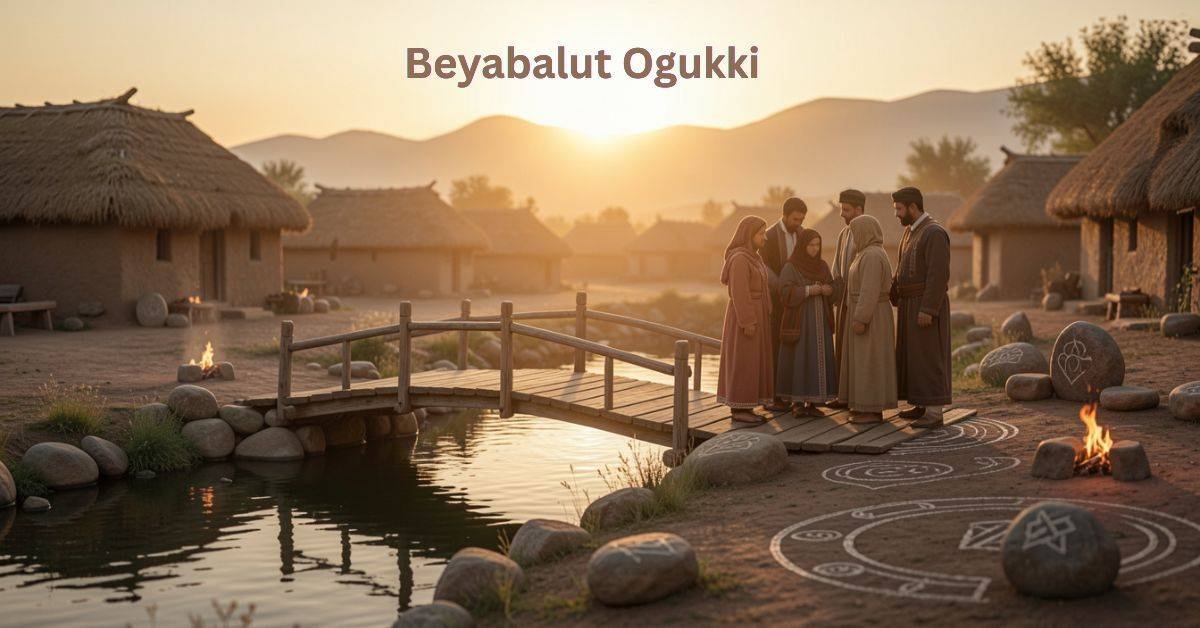
- Doorways or bridges (symbolizing transition)
- Fire (symbolizing renewal)
- Circles (symbolizing unity)
These symbols are common in cultures around the world. Below is a simple table showing key symbols and what they represent.
Symbols Connected to the Concept
| Symbol | Meaning | Why It Matters |
| Bridge | Moving forward | Safe transition |
| Fire | New beginning | Cleansing and strength |
| Circle | Unity and support | Community bond |
| Water | Fresh start | Emotional renewal |
These symbols show that it is not just about change, but about safe and supported change.
Myths and Stories Connected to the Concept
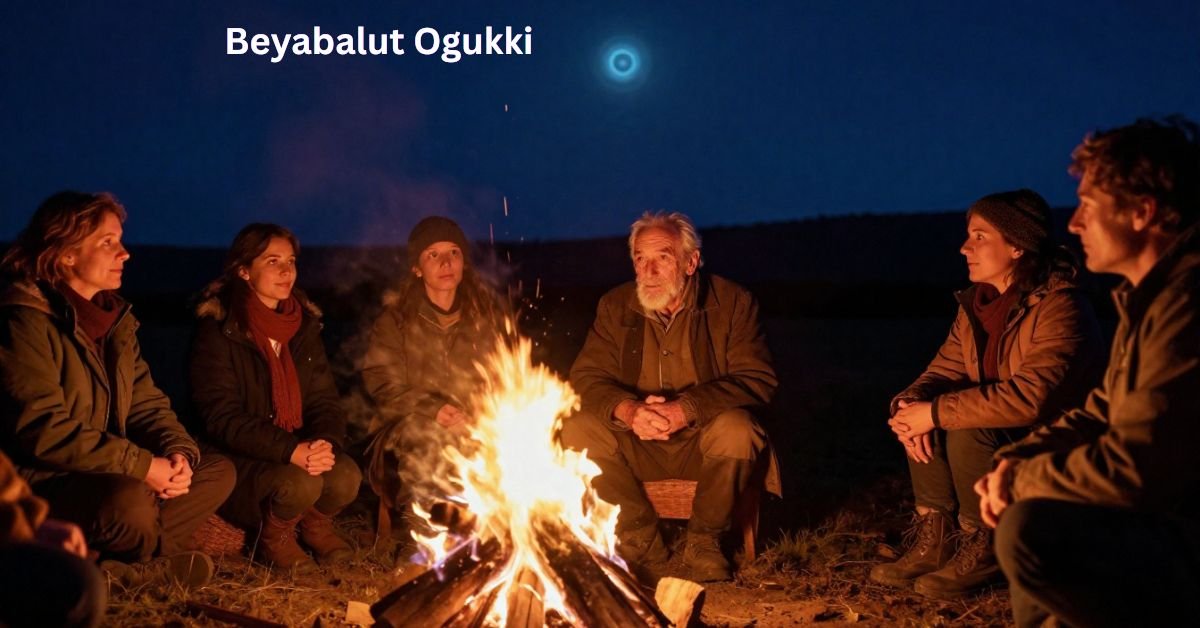
Many cultures explain important ideas through stories. In stories related to beyabalut ogukki, a common pattern appears. The story usually follows three steps:
- A person leaves their normal life.
- They face a challenge or test.
- They return stronger and accepted by the community.
This pattern is known in anthropology as a “rite of passage.” Scholars in 2026 still teach this model when studying world cultures.
These myths teach lessons such as the following:
- Courage during change
- Respect for tradition
- Trust in community guidance
Through storytelling, the meaning of it becomes easier to understand and remember.
How Communities Practice This Idea
In traditional societies, ideas are practiced through ceremonies. Cultural researchers note that rituals help reduce fear during uncertain times. Ceremonies connected to beyabalut ogukki often include the following:
- Gathering of family and elders
- Special clothing or objects
- Shared meals
- Words of blessing or encouragement
These practices create emotional safety. When people feel supported, big life changes become easier. Modern research from cultural psychology programs in 2026 shows that rituals can reduce anxiety and increase confidence. This proves that traditional ideas still have real value today.
Comparison With Similar Cultural Ideas
Many cultures have similar concepts that represent change and transformation. Below is a comparison table.
Similar Cultural Concepts Around the World
| Culture/Region | Similar Concept | Shared Meaning |
| Japan | Coming-of-age ceremony | Entering adulthood |
| Africa (Maasai) | Warrior initiation | Social transition |
| Celtic regions | Seasonal festivals | Cycle of renewal |
| Indigenous Americas | Vision quest | Spiritual growth |
This comparison shows that it fits into a global pattern. Humans everywhere create symbols to understand life changes.
Why Beyabalut Ogukki Still Matters in 2026
In 2026, people face many changes: new careers, digital lifestyles, moving to new countries, and identity growth. Even though society looks modern, the need for support during change is still the same. The cultural lesson behind it reminds us that:
- Change is natural.
- Community matters.
- Growth requires courage.
Today, educators and cultural researchers encourage young people to reconnect with traditional knowledge. Preserving ideas like beyabalut ogukki helps protect cultural identity. The Smithsonian Center for Folklife & Cultural Heritage (2026) states that communities grow stronger when they protect their intangible traditions.
Common Misunderstandings
Because the term is unfamiliar to many people, there are some misunderstandings. Some think it is a religion. It is not. It is a cultural concept. Some believe it has only one meaning. In reality, it can have slightly different meanings depending on the community.
Others think it is outdated. However, the core idea support during life transitions is always relevant. Understanding the true meaning of beyabalut ogukki helps prevent confusion and misinformation.
The Importance of Cultural Preservation
Languages and cultural ideas disappear when they are not passed down. According to UNESCO’s 2026 cultural heritage updates, many oral traditions are at risk. Preserving knowledge like beyabalut ogukki protects the following:
- History
- Identity
- Community wisdom
Young generations can help by learning from elders, reading trusted sources, and sharing accurate information. Cultural respect also means avoiding misuse or commercialization of sacred ideas. When we understand traditional concepts deeply, we build respect instead of stereotypes.
How You Can Learn More
If you are interested in culture and symbolism, you can:
- Read books on world mythology
- Explore local cultural festivals
- Study anthropology or history
- Talk to community elders
Learning about ideas like beyabalut ogukki helps you see how connected human cultures truly are. You can also explore related guides on our site about ritual symbolism and rites of passage to deepen your understanding.
FAQs
What is the simple meaning of Beyabalut Ogukki?
It is a cultural idea that represents change, protection, and community support.
Is it a religion?
No, it is a cultural concept, not a religious system.
Why is it important?
It helps people understand and handle major life transitions.
Does this concept still matter today?
Yes, especially in 2026 when people face many personal and social changes.
Is it connected to myths?
Yes, many traditional stories use similar ideas of transformation and growth.
Conclusion
Understanding beyabalut ogukki helps us see how cultures explain life’s biggest changes. It teaches that growth is not something we face alone. Instead, it is supported by community, tradition, and shared wisdom.
In this guide, we explored its meaning, origins, myths, symbolism, and importance in 2026. Even in a fast-moving digital world, traditional knowledge still offers comfort and guidance.
If you found this guide helpful, consider sharing it with friends or classmates who are interested in culture and history. Learning and sharing accurate cultural knowledge keeps traditions alive for future generations.